
Only 2% Of Nutrition Videos On TikTok Are Accurate, New Report Says
TikTok 卖家门户网TKFFF · 2024-04-12 15:59
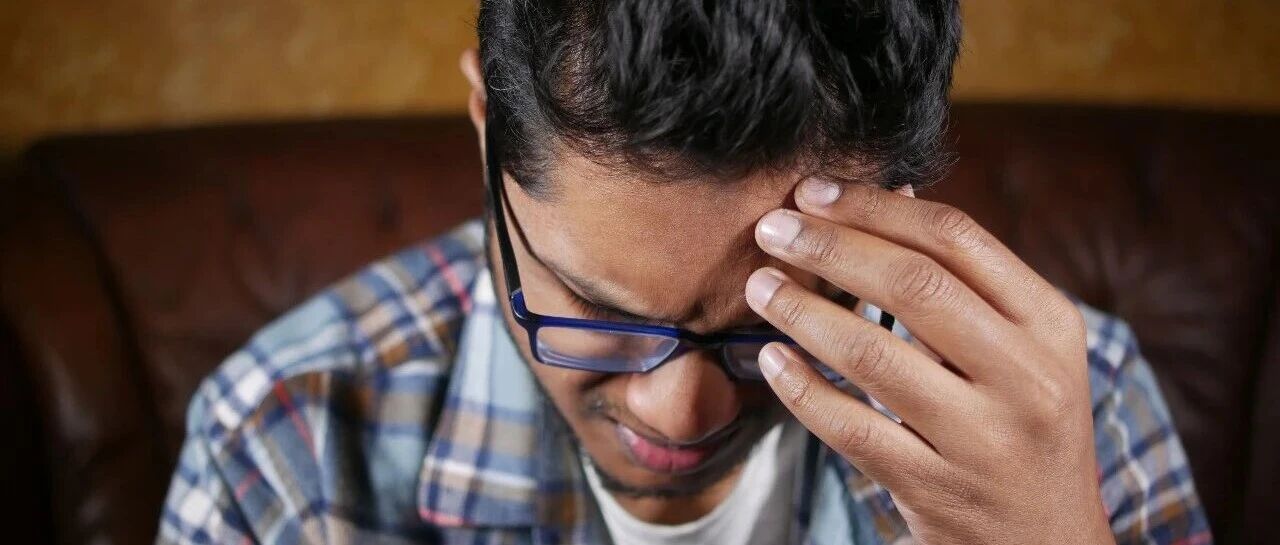
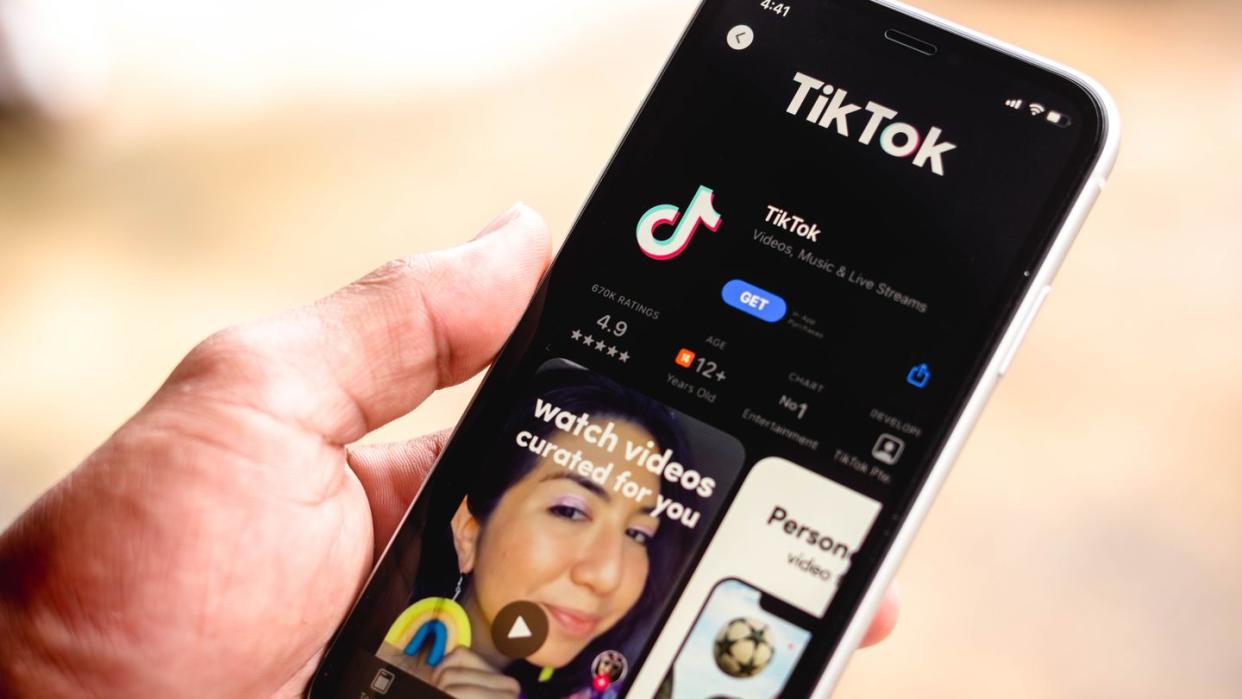 Only 2% Of TikTok's Nutrition Videos Are AccurateSOPA Images - Getty Images
A new wellness hack pops up on TikTok every other week, and over half of the population seems to blindly trust the video platform for health info. A new study claims that 57 percent of people are adopting nutrition trends from TikTok in their own lives—but maybe they shouldn't be?
According to the study, conducted by MyFitnessPal, only 2.1 percent of nutrition content on TikTok is accurate.
After surveying 2,000 people and over 67,000 videos on the social media platform, the tech company found that a little over 2 percent of all nutrition information was actually aligning with public health guidelines.
Why exactly are we seeing such a spike in inaccurate nutrition information? After all, 87 percent of millennials and Gen Z TikTok users trust the platform for health advice, and 67 percent said that they adopt at least one trend from the app a few times a week. According to MyFitnessPal Chief Marketing Officer Katie Keil, these fads go viral because of their "sensational hook."
"The more unusual, the more it spreads," she told Delish. "The best thing we as consumers of social media can do is improve our digital health literacy—and that starts with following credible experts and verifying what you hear against science."
Only 2% Of TikTok's Nutrition Videos Are AccurateSOPA Images - Getty Images
A new wellness hack pops up on TikTok every other week, and over half of the population seems to blindly trust the video platform for health info. A new study claims that 57 percent of people are adopting nutrition trends from TikTok in their own lives—but maybe they shouldn't be?
According to the study, conducted by MyFitnessPal, only 2.1 percent of nutrition content on TikTok is accurate.
After surveying 2,000 people and over 67,000 videos on the social media platform, the tech company found that a little over 2 percent of all nutrition information was actually aligning with public health guidelines.
Why exactly are we seeing such a spike in inaccurate nutrition information? After all, 87 percent of millennials and Gen Z TikTok users trust the platform for health advice, and 67 percent said that they adopt at least one trend from the app a few times a week. According to MyFitnessPal Chief Marketing Officer Katie Keil, these fads go viral because of their "sensational hook."
"The more unusual, the more it spreads," she told Delish. "The best thing we as consumers of social media can do is improve our digital health literacy—and that starts with following credible experts and verifying what you hear against science."
文章来源:Aol
TKFFF公众号
扫码关注领【TK运营地图】
TKFFF合作,请扫码联系!

文章来源: 文章该内容为作者观点,TKFFF仅提供信息存储空间服务,不代表TKFFF的观点或立场。版权归原作者所有,未经允许不得转载。对于因本网站图片、内容所引起的纠纷、损失等,TKFFF均不承担侵权行为的连带责任。如发现本站文章存在版权问题,请联系:1280199022@qq.com
分享给好友:
 已认证
已认证